Destination Support That Actually Helps
Why associations are starting to choose partners, not just venues
A Conferli perspective. Published May 2026.
For a long time, destination support in the conference industry was fairly predictable. A venue shortlist, a hotel map, some city skyline shots, perhaps a reception hosted by the convention bureau.
Useful, certainly. But increasingly not enough.
Associations are under growing pressure to prove that conferences deliver more than attendance numbers. Boards want measurable impact. Members expect professional relevance. Sponsors look for meaningful engagement.
That changes what good destination support looks like.
A successful conference is no longer defined only by smooth operations. It is increasingly measured by the quality of connections it creates, the knowledge it exchanges, the local engagement it generates and the longer-term relevance it leaves behind.
This is where destinations can play a far bigger role than many associations realise. Convention bureaus often have access to local ecosystems that associations cannot easily reach themselves: universities, researchers, government stakeholders, industry networks, start-ups, innovation hubs and local ambassadors. Unlocking that value, though, requires a different kind of relationship. Not transactional. Collaborative.
The missed opportunity in most RFPs
One of the biggest barriers is that destinations are involved too late. By the time many convention bureaus receive an RFP, the conversation is already heavily focused on venue capacities, hotel availability, transport links and pricing. Important, of course, but when a conversation starts operationally, it tends to stay operational.
-
The bigger questions get missed:
- What is the purpose of the conference?
- What knowledge should remain locally afterwards?
- Which sectors align with the event theme?
- How might local communities become involved?
- What kind of legacy should the event create?
As discussed in our recent webinar on strategically aligning with convention bureaus, when destinations are invited into those discussions early, the dynamic shifts. The conversation becomes less about suppliers and more about partnership.
Best practice: Vilnius
Sponsored content. This section was developed in partnership with Vilnius Convention Bureau.
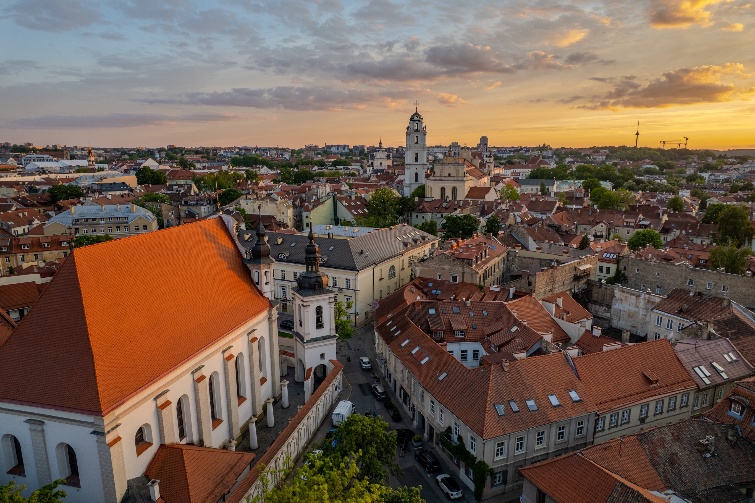
Choosing a destination for an association conference is no longer only about venues, hotels or accessibility. What increasingly matters is whether a destination can become a true partner - one that understands the goals behind the event and helps to create value that lasts beyond the conference itself. This is the role Vilnius aims to play.
Support from the Vilnius Convention Bureau often starts at the bidding stage but quickly develops into a broader partnership. The focus is not only on logistics, but on understanding what the organisation is trying to achieve - whether that is stronger scientific exchange, industry connections, professional development, visibility or long-term impact.
One of Vilnius’ strongest advantages is the close connection between the city’s academic, business and innovation communities. In sectors such as life sciences, ICT, fintech and laser technologies, organisers are often connected with local experts, researchers, companies, start-ups and professional networks early in the process. This can strengthen international bids, enrich conference programmes and create opportunities for collaboration that continue well beyond the event itself.
As a growing knowledge and innovation hub, Vilnius also creates opportunities for wider local impact. Conferences increasingly involve universities, students, young professionals, and local communities through knowledge-sharing sessions, mentoring initiatives, open discussions, and networking activities linked to the conference theme. This helps extend the value of the event beyond registered delegates and creates stronger long-term relevance for both the organisation and the destination.
The Vilnius Convention Bureau works closely with organisers to help make these connections happen in a practical and tailored way. Depending on the conference profile and strategic relevance, organisers may also benefit from destination support models designed to reduce organisational pressure and support broader event goals.
This is what makes Vilnius stand out - not simply as a conference destination, but as a city that works with you: connecting people, ideas and communities to create conferences with stronger long-term value and impact.
This approach is already visible in practice. For the European Physical Society (EPS) Conference on Plasma Physics 2025, Vilnius Convention Bureau supported the bid together with the Lithuanian Physical Society and a PCO (Professional Conference Organiser). Beyond hosting 500 delegates, the conference strengthened the international visibility of both Vilnius and the Lithuanian scientific community, created new international research collaborations and gave students hands-on experience in organising a global scientific event. It also helped position Vilnius as a trusted partner for future international scientific conferences.
A similar long-term impact can be seen with the International Society for Prevention of Child Abuse and Neglect (ISPCAN) European Regional Congress 2025. Together with the Office of the Ombudsperson of Child’s Rights of the Republic of Lithuania and a PCO, Vilnius Convention Bureau supported the successful bid for the 660-delegate congress. The event strengthened cooperation between institutions and specialists across sectors, created new international connections and continues to influence national discussions, conferences and collaboration initiatives today.

Why this matters going forward
There is a broader shift underneath all of this. Associations increasingly want conferences to function as platforms for ongoing knowledge exchange and community building, not standalone annual gatherings that vanish the moment delegates fly home. Destinations, in turn, are becoming more selective about which events they pursue, looking for alignment with local strengths, innovation sectors and long-term value creation.
When association goals and destination priorities genuinely align, conferences become more valuable for everyone involved: stronger local engagement, more relevant programmes, deeper stakeholder involvement, greater visibility and longer-lasting partnerships.
Achieving that requires a change in how both sides engage with each other from the very start.
A practical shift
For associations, the next RFP is a useful place to start. Alongside the logistical questions, consider adding:
- Which local sectors and ecosystems align with our event theme, and how would the destination connect us to them?
- What support is available to extend the value of the conference into the local community?
- What does a long-term partnership beyond a single event look like for you?
For convention bureaus, the equivalent shift is to lead with more than logistics:
- Audit which sectors and academic strengths in your city map onto upcoming association events.
- Build named relationships with local researchers and industry leaders so introductions are credible, not generic.
- Develop tangible legacy proposals before the bid stage, not after the contract is signed.
Choosing more than a location
The conference industry has spent years optimising logistics. The next opportunity is to optimise alignment. The destinations creating the most value today are not necessarily those with the biggest convention centres or the largest hotel inventory. They are the ones that understand how to connect people, ideas and local ecosystems around a shared purpose.
For associations looking to create conferences with stronger relevance and longer-term impact, that may matter far more than simply choosing where to meet. It may be about choosing who to build value with.
Conferli connects associations, venues, and destinations across the conference ecosystem. We work as a neutral partner to help all three sides make better decisions, together.