Measuring What Matters
A Conferli perspective on impact measurement for associations and destinations
Published March 26th 2026
A note before you read: This article is written for two audiences at once, and that is intentional. If you run an association conference, the first half is for you. If you work in a convention bureau or destination, the second half is where it gets specific. But we'd encourage you to read both. Understanding what the other side is struggling with is exactly how the quality of conferences gets better for everyone.
Let's start with something uncomfortable: most of the data being collected across the conference industry right now is measuring activity, not impact.
Attendance numbers. Room nights. Social media reach. Sponsorship revenue. These things matter operationally, but they don't tell the story of what actually changed because your conference happened. And in 2026, with budgets under pressure on both sides of the table, that gap is becoming very expensive.
This is a conversation for two audiences. Associations who want to demonstrate the real value of their events. And destinations who need to defend their convention bureau investment to governments that are questioning whether conferences are worth the public money. The measurement problem looks different from each side. But the solution, and the opportunity, connects both.
If you're an association: your impact is already there. You're just not capturing it.
Associations are, by design, impact creators. You set the professional standards that keep industries safe. You fill the gap between formal education and ongoing practice. You build the networks that move whole sectors forward. You do this every year through your conference, and most of you struggle to prove it beyond a registration count.
Here's the number that should stop you in your tracks: 90% of event impact goes completely unmeasured. That means the value your conference creates is largely invisible. To your members. To your sponsors. To your board. And to the destinations deciding whether to invest in bringing you to their city.
Why measure? Two reasons, and only one gets talked about.
The first is to prove. To show your stakeholders what your conference actually creates in the world, not just what it cost to run. When you can demonstrate that 80% of participants implemented something from your program, or that three cross-sector partnerships formed directly as a result of your event, that is a fundamentally different value proposition than "650 attendees, 22 sponsors." Same event. Completely different story.
The second reason is to improve. You cannot scale what you do not understand. If you don't know how your conference creates change, you don't know which parts are working and which parts should honestly be retired. Measurement moves you from gut-feel decision making to evidence-based decisions. That's when your conference stops being an annual gathering and starts being a strategic tool.
What does this actually look like in practice?
Start with your next post-event survey. Add two or three outcomes-focused questions alongside your usual feedback. Not "how was the venue" but "what do you plan to implement from what you learned?" and "what conversations from this event do you intend to follow up on?" That's where your impact data lives, and right now most associations are leaving it uncollected.
Before your next event, map six to eight specific, observable outcomes you want to see. Not vague ambitions. Real things: knowledge transferred, partnerships initiated, policy conversations opened, behavior changed. Define them upfront, then measure against them afterward.
And here's where it connects to the destination relationship: when you arrive at a destination conversation already thinking about local impact, when your RFP includes a question about what change the host city wants to achieve alongside your event, you shift from being a client to being a partner. That changes what destinations will do for you, and how hard they will advocate for you internally.
If you're a destination: subvention without measurement is budget without a defense.
Convention bureaus are under real pressure right now. Governments in many markets are questioning the return on investing in conferences. And the bureaus caught in the middle know the value is there, but struggle to articulate it in a language that survives a budget committee.
This is a data problem as much as it is a political problem. And it's solvable.
The economic impact argument, delegate spend, room nights, local supplier revenue, remains necessary. But it is no longer sufficient. It's become table stakes. What governments increasingly need to see is alignment between the conferences you attract and the strategic priorities they have already committed to. Research clusters. Industry development. Innovation agendas. Health, climate, technology. If you can demonstrate that the events you support are advancing goals the government already owns, you stop asking for a conference budget and start delivering on a public investment.
This requires building measurement into your subvention program from the start, not trying to reconstruct a story after the event closes.
What better subvention measurement looks like
Work with associations during the bidding phase to define two or three shared outcomes you will track together. Not just room nights delivered. What knowledge will be created locally? What connections between international delegates and local institutions are you aiming for? How does this event advance the city's profile in a specific field?
Make outcome reporting part of the subvention agreement. Most association professionals will welcome this if it is framed as a shared interest rather than a compliance requirement. And many are already thinking in these terms. When you ask an association what impact they want to create in your destination, you open a completely different conversation than asking for a delegate projection.
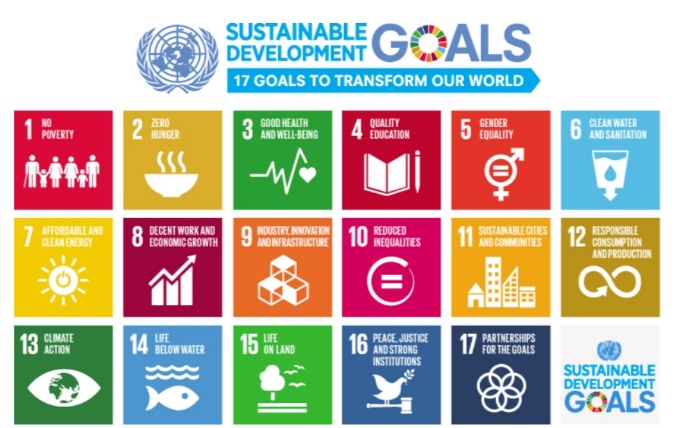
The SDG ( Sustainable Development Goals by the UN) framework is a genuinely practical tool here. When you can connect a conference you supported to specific SDG targets your government has already signed up to, you are speaking a language that travels well in political conversations. You are not defending a line item. You are showing delivery on a commitment.
But before you can measure your subvention impact, you need to understand your ecosystem.
This is where a lot of destinations get stuck. Effective subvention is not just about attracting any conference. It is about attracting the right ones. And knowing which conferences belong in your city requires a clear picture of who the influential people in your destination are, which industries they lead, and where your city already has genuine scientific, academic, or professional depth that an international association could build on.
When you understand which sectors have real critical mass in your city, and which local figures carry weight in international professional networks, you stop chasing room nights and start making strategic decisions. You can design subvention criteria around those priorities, measure whether the events you support are actually advancing them, and build a story for government that is grounded in specific value rather than general economic estimates.
Without that foundation, measurement becomes retrofitting. You end up trying to prove the value of decisions that were never made strategically in the first place. Knowing your ecosystem is not a nice extra step. It is where the work begins.
What connects both sides
The most powerful shift happens when associations and destinations arrive at the same conversation with a shared measurement framework. When an association defines its impact ambitions upfront, and a destination is already asking about mission alignment rather than just logistics, the relationship changes. You stop negotiating a transaction and start building something with a longer life.
That collaboration produces better events, stronger local legacy, and the kind of evidence that both sides need to make their next decision well. For associations, it is the story that wins sponsors and renews mandates. For destinations, it is the case that protects budgets and builds political support.
90% of event impact goes unmeasured. The value is already being created on both sides. It just is not being captured, communicated, or used.
Start measuring what matters.
Conferli connects associations, venues, and destinations across the conference ecosystem. We work as a neutral partner to help all three sides make better decisions, together.
Want to be part of the conversation that shapes articles like this one? Conferli runs two free webinar series where both sides of the conference ecosystem share what is really happening on the ground. Future Talks is for association professionals. Future Thoughts is for destinations and convention bureaus. Both are free, both are open, and both feed directly into the kind of practical, honest knowledge sharing you just read.
Join the next session: Future Talks for associations | Future Thoughts for destinations