The power of the local host in association conferences
Published February 26th 2026
Strong association conferences are rarely built in isolation. They are shaped by the vision and objectives of the association, and strengthened by the people who connect that vision to local context, expertise and networks.
The local host is often described as one of the key drivers of bid success and long-term value in association conferences. Yet when associations and destinations talk about local hosts, they do not always mean the same thing.
This difference in understanding matters. Not because one perspective is right and the other is wrong, but because misalignment can quietly weaken collaboration, conference content and strategic impact.
To understand the real power of the local host, it helps to unpack what this role can look like in practice.
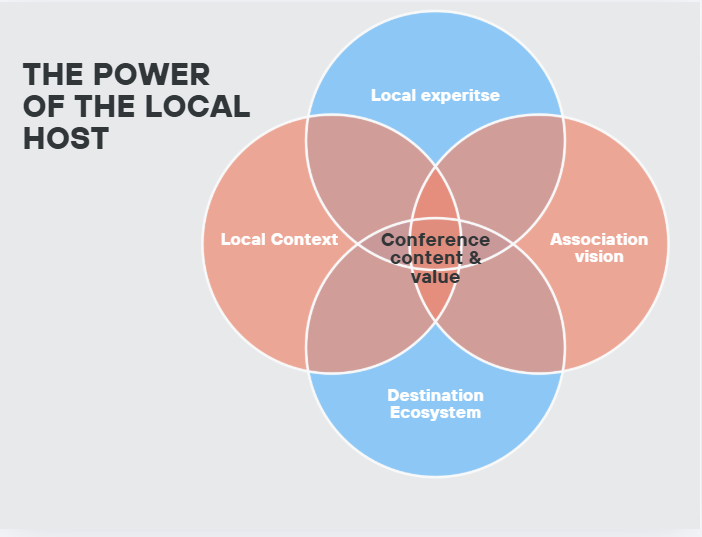
Why the local host is viewed differently by associations and destinations
From a destination perspective, the local host is often seen as a strategic asset in the conference bidding process. Someone who can anchor the event locally, connect it to relevant stakeholders, and strengthen the overall hosting proposition. In many bids, the presence of a local host signals credibility and local engagement.
From an association perspective, the situation is more varied. Some associations are strongly member-driven, with local chapters and long-standing volunteers who naturally take on a host role. Others rotate conferences globally, work with lean teams, or rely on committees that change from one edition to the next. In those cases, the expectation of a local host can feel abstract, particularly if there is no active member in the destination.
Both perspectives are shaped by experience. Challenges arise when these different realities are not explicitly acknowledged.
The local host is not limited to association membership
A common assumption in association conference bidding is that a local host must be a member of the association. In practice, this is where opportunities are often missed.
A local host can also be someone who is deeply relevant to the conference topic without being formally affiliated with the association. This may include:
- researchers at local universities
- clinicians at specialised hospitals
- industry experts within relevant clusters
- policy or public-sector specialists connected to the subject matter
When destinations help identify these profiles within their local ecosystem, they expand the association’s access to knowledge and networks. In some cases, this may lead to new memberships or longer-term engagement, but this should be seen as a potential outcome rather than a prerequisite.
The power of the local host lies in relevance, credibility and connection.
How local hosts strengthen conference content
In most cases, the core content and thematic direction of an association conference are defined by the association itself. The programme is shaped around its mission, strategy and community priorities. The role of the local host is not to replace that vision, but to deepen and strengthen it.
Local hosts can help take existing content further by translating global themes into local context. They can connect programme committees with regional research, emerging innovation or applied case studies that add depth and perspective. They may also support site visits, technical tours or sessions that link theory to practice.
For associations, this strengthens the educational and scientific value of the conference. For destinations, it demonstrates that the local ecosystem contributes knowledge and expertise, not only facilities.
One practical example of how destinations work with local hosts can be seen in cities with well-developed ambassador programmes. Belfast, for example, has built an extensive network of local ambassadors across academia, industry and research. These ambassadors are not only active association members, but also subject-matter experts rooted in the local ecosystem.
This approach allows the destination to support associations even when there is no existing local member. By connecting associations with relevant local experts, the city can help enrich conference content, strengthen programme depth and create meaningful links between global themes and local expertise. In this way, the local host role becomes less about formal representation and more about knowledge exchange and relevance.
In this way, the local host becomes a bridge between place and programme.
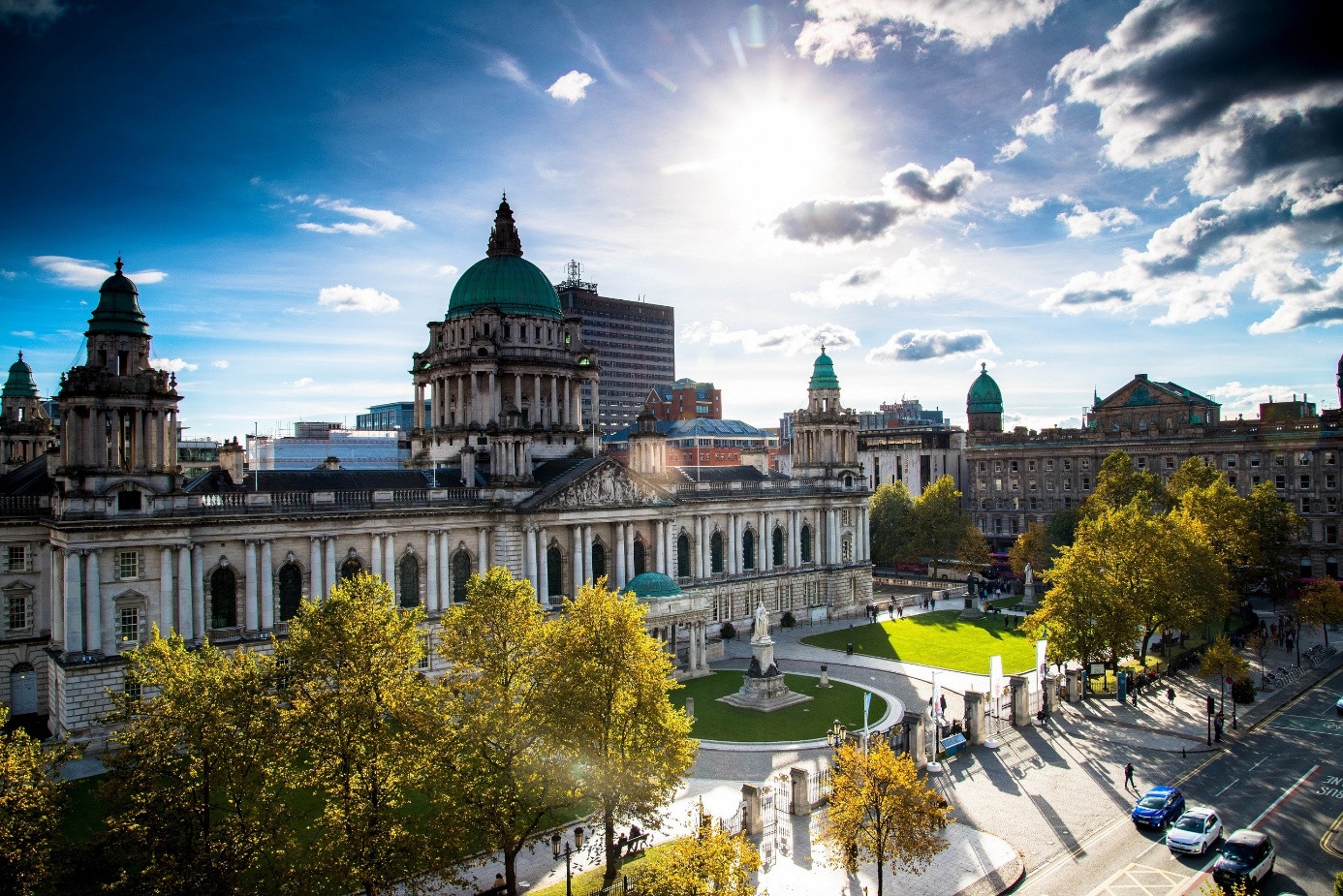
City Hall Belfast, North Ireland
The role of the local host in the conference business case
The power of the local host also extends to how the overall value of a conference is articulated.
When an association conference is clearly connected to local institutions, industry clusters or societal priorities, it becomes easier to demonstrate relevance beyond delegate numbers alone. This supports the bid phase and helps articulate long-term value for both the destination and the association.
By strengthening the depth and relevance of the existing programme, local hosts can contribute to a clearer and more compelling business case. Not by advocating for funding, but by helping show how the event aligns with local strengths, priorities and long-term objectives.
This added clarity strengthens discussions around destination support and subvention.
Where misalignment in conference collaboration often starts
Misalignment often begins with assumptions. Destinations may assume associations understand hosting structures, terminology and expectations. Associations may assume destinations expect a level of local commitment that is difficult to guarantee.
When these assumptions remain unspoken, the local host can become a point of confusion rather than a source of strength.
Clear communication early in the process helps prevent this. Not by simplifying the role, but by explaining how each side works and what is realistic within their respective structures.
Using the power of the local host intentionally
The local host should not be treated as a fixed requirement or a box to be ticked. It is a flexible role that can be shaped around the association, the destination and the objectives of the conference.
When associations and destinations take the time to understand each other’s realities, the power of the local host becomes clear. As a connector of people, knowledge and place. As a way to strengthen bids, enrich conference content and create long-term value.